
By 2018, World Health Organization estimated that close to 20 percent (6.8 million) out of 40 million people in Uganda had some degree of mental illness, ranging from anxiety and depression to severe madness, and close to 90 percent of mentally ill people never get treatment. This is partly due to a lack of mental health support and stigma around people with mental disorders yet the country has only 30 psychiatrists.
According to the Senior Consultant Psychiatrist and Executive Director, Butabika National Referral Mental Hospital, Dr. David Basangwa, over 1,200 patients are treated at the hospital daily, with about 950 being inpatients and about 350 outpatients. Forty percent of the patients are youth who develop mental disorders as a result of alcoholism and drug abuse.
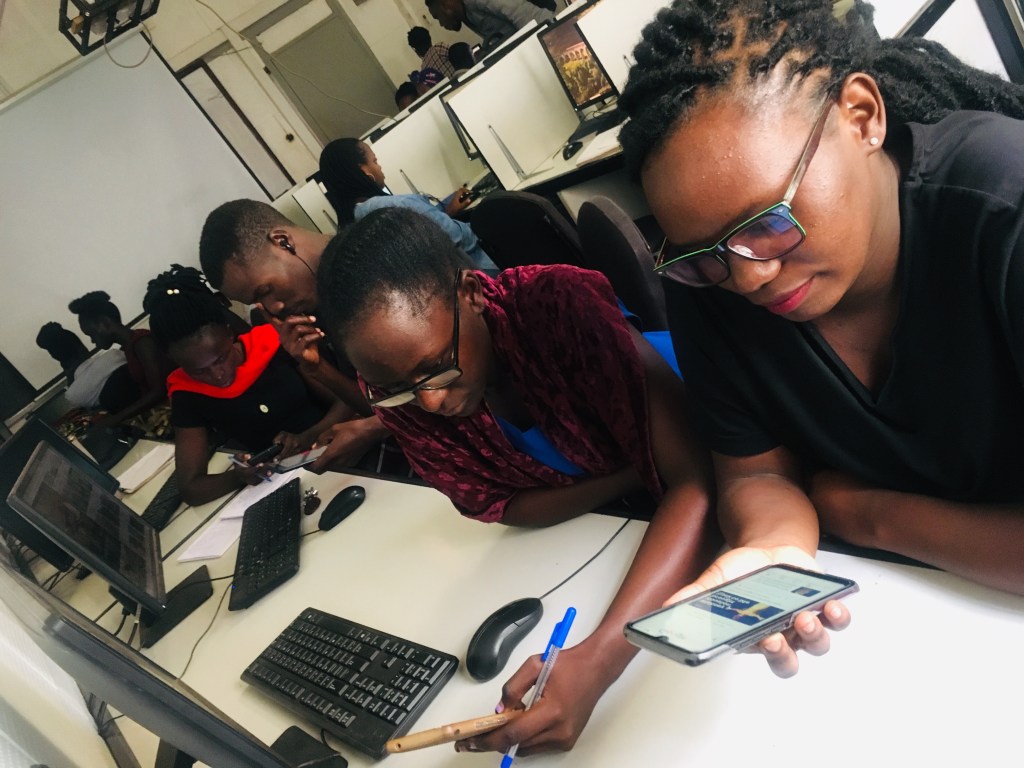
Besides government policies and intervention like restructuring the National Referral Hospital in Uganda, the youths have several places to go to while in need of help. Institutions like Makerere University have the Guidance and Counseling Center, Mental Health Uganda – an NGO that supports people with and survivors of mental illness in Uganda and also Free Mind Organization that developed a Mobile App, to provide clear and accurate information and support for youths experiencing mental health disorders.
According to Our World in Data, in 2016 the World Health Organization reported that the burden of mental disorders continues to grow with significant impacts on health and major social, human rights and economic consequences in all countries of the world.

Block A: Butabika Mental Hospital 
Main Entrance: Butabika Mental Hospital
Sarah Tushemereirwa is a survivor of several mental health disorders and co-founder of Free Mind Hive, an organization that has developed an online app providing accessing to information about Mental health to support youths experiencing mental disorders in Uganda. She came up with the idea to develop an app to support young people, have access to mental health support by a click on a phone in 2016 after years of experiencing several mental disorders since she was four years old.
This app is primarily for the youth because most of these disorders start as early as fourteen years and for Sarah she is one of the statistics, she revealed. Since 77 percent of the Uganda population are youth, with the majority in mental health institutions, Sarah expressed that there was need for an intervention that would speak the language of the youth.
Not certain on when the app is to be launched, Sarah is considering partnerships with the National Mental health hospital and other NGOs to even make a greater impact in providing mental health support. She also expressed that she would be saddened that the future generation of leaders who need help may not get the help they need in the absence of the app.

“We intend to launch it as soon as possible and expect the users to increase since it takes only 3mbs to download it.” Sarah noted.
The Communications Manager at Free Mind Hive, Daphine Zalwango, said that the app is an informative app that will save hundreds of dollars that people spend over in-person therapist sessions and also a safety net for people in fear of stigma around people who visit mental health institutions to seek help. The App can allow for self-assessment and daily monitoring of one’s moods as well as information that’s is very vital at any point in time that the patient need it.
“When I hear about a mental health app, it excites me because currently we are digitizing and using IT to support various processes. We can also use IT to support our many suffering patients. We have been looking at various ways of using tele medicine – using IT to support patient care – similarly, an online app coming up for mental health support is one way of providing support to our patients,” said Dr. Basangwa.
Besides being timely and accessible, the app helps patients get information, access self-care when they need it and monitor symptoms, he added. “We always advise and do not recommend self-diagnosis and treatment. But an app with information about mental health issues, signs and symptoms is very necessary; it helps people quickly access care, clear information and learn the science and triggers of mental illnesses rather than thinking it is as a result of witchcraft,” He added.
 Mapio
Mapio 
Leave a comment